EMAIL US
sales@scanneroptics.com
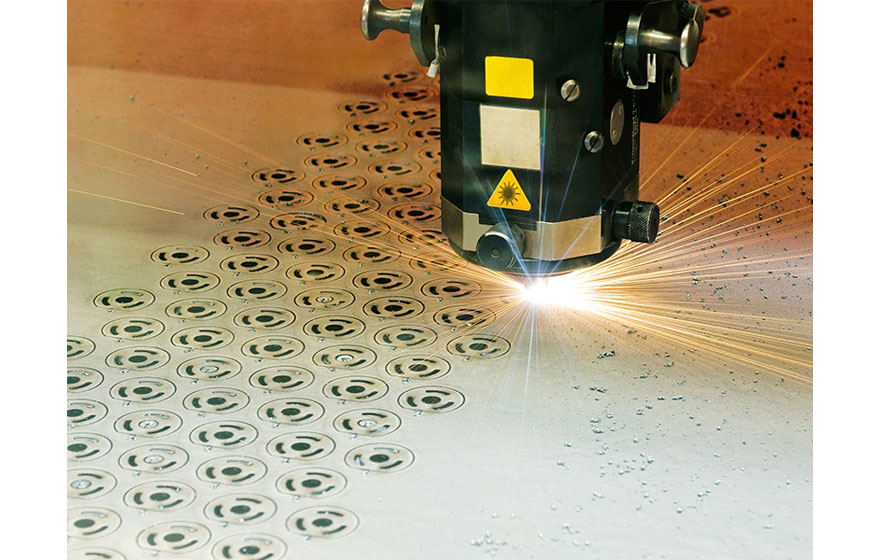
Laser cutting technology has been widely adopted in industrial manufacturing since the 1970s, when lasers were first introduced for material cutting. Today, laser cutting has become one of the most important precision machining processes, offering high flexibility, accuracy, and efficiency across a wide range of materials and industries.
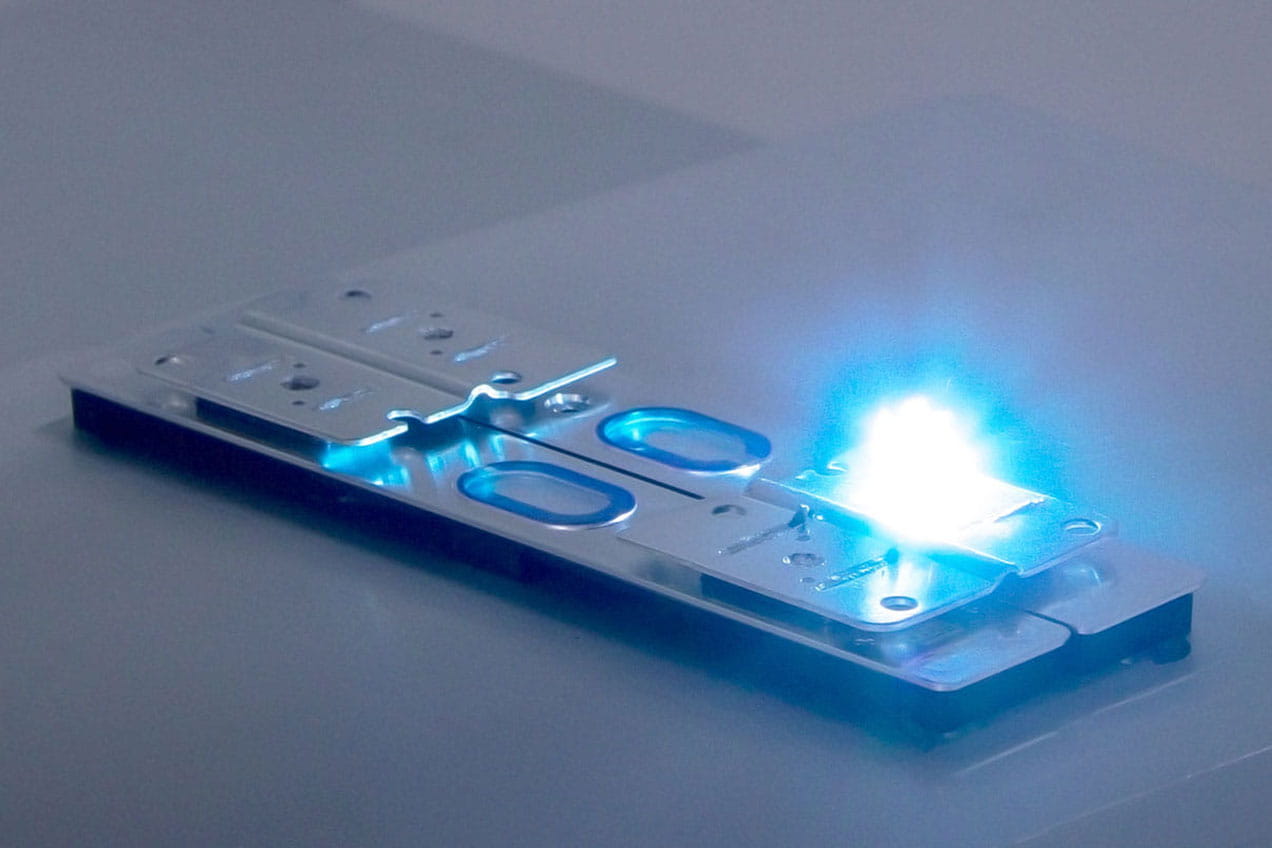
By focusing a high-energy laser beam onto the material surface, laser cutting rapidly heats the material to the point of melting, vaporization, or ablation, creating precise and clean cutting edges. Assisted by process gases such as oxygen, nitrogen, or compressed air, molten or vaporized material is efficiently removed from the kerf, ensuring consistent cutting quality.
Laser cutting is a non-contact thermal cutting process in which a focused laser beam is used to separate materials without physical tool engagement. Unlike conventional mechanical cutting, laser cutting does not rely on cutting tools or molds, eliminating tool wear and reducing maintenance costs.
Depending on the laser source and processing requirements, laser cutting can operate in:
Pulsed laser mode, offering high peak power and fast material interaction
Continuous wave (CW) laser mode, suitable for stable, high-throughput production
This non-contact approach enables narrow kerf widths, minimal heat-affected zones (HAZ), and excellent dimensional accuracy, making laser cutting ideal for high-precision manufacturing.
Laser cutting can be categorized based on the cutting mechanism and material interaction:
Non-Contact Laser Cutting
In non-contact laser cutting, the laser beam directly interacts with the workpiece without mechanical contact. Material removal occurs through melting, vaporization, or oxidation, depending on process parameters and assist gas selection.
Assisted Thermal Cutting
In assisted thermal cutting, the laser heats the material locally, while a high-pressure gas jet removes molten material from the cutting zone. Oxygen-assisted cutting is commonly used for carbon steel, while nitrogen-assisted cutting is preferred for stainless steel and aluminum to achieve oxide-free edges.
Laser cutting is compatible with a broad range of materials, including:
Metals: Stainless steel, carbon steel, aluminum, copper, brass, titanium, and titanium alloys
Non-metals: Plastics, glass, ceramics, textiles, wood, paper, and composite materials
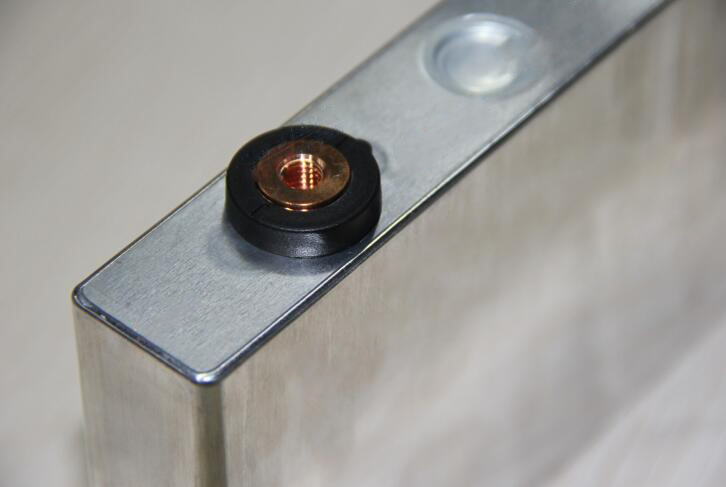
Advanced materials: Semiconductor substrates, thin films, technical ceramics, and battery tabs (battery tab cutting)
Among metallic materials, stainless steel and carbon steel remain the most widely processed, with laser cutting playing a critical role in achieving consistent quality and production efficiency.
Compared with traditional mechanical cutting methods, laser cutting offers several key advantages:
Non-contact processing with no tool wear
High cutting speed and productivity
Narrow kerf width and minimal heat-affected zone
Excellent edge quality and dimensional accuracy
High flexibility for complex geometries and rapid design changes
These benefits make laser cutting a critical manufacturing solution for modern industries seeking higher precision, efficiency, and automation.
 zh-CN
zh-CN
 English
  日本語
日本語  한국어
한국어  français
  Deutsch
  Español
  italiano
  русский
  português
  tiếng việt