EMAIL US
sales@scanneroptics.com
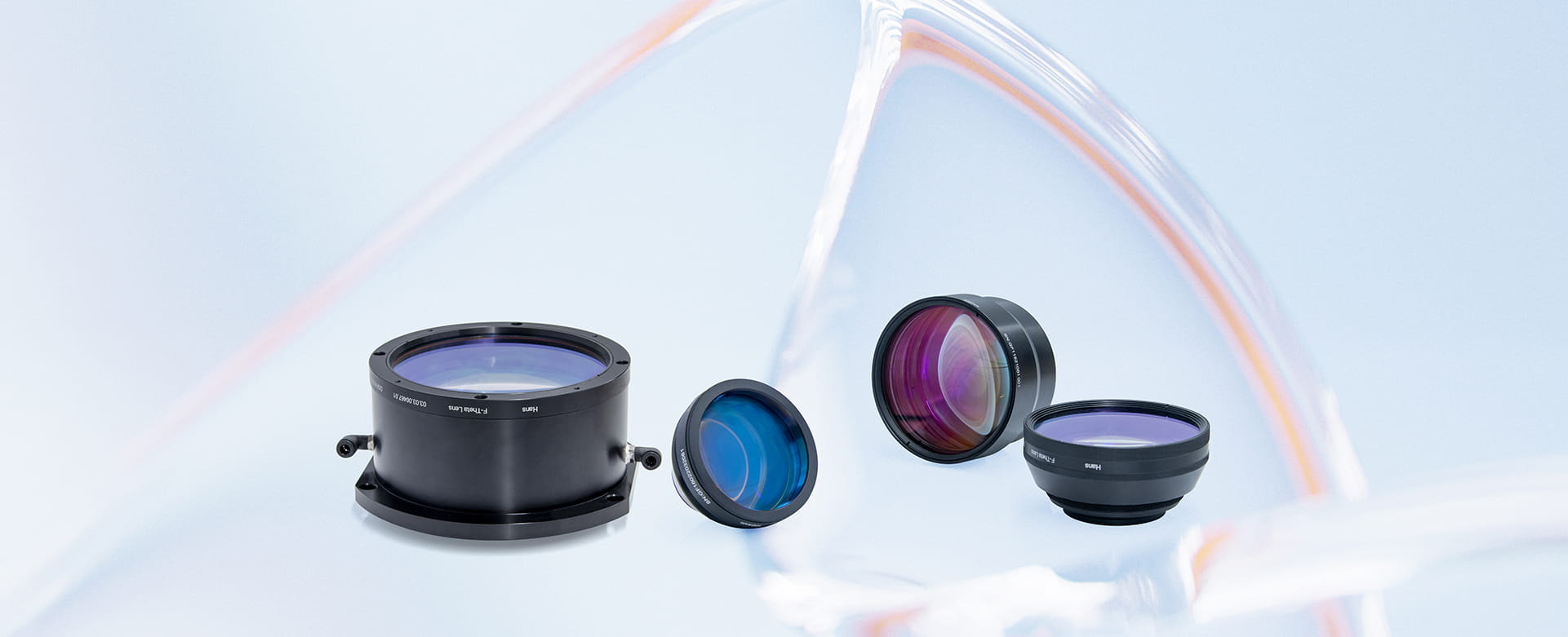


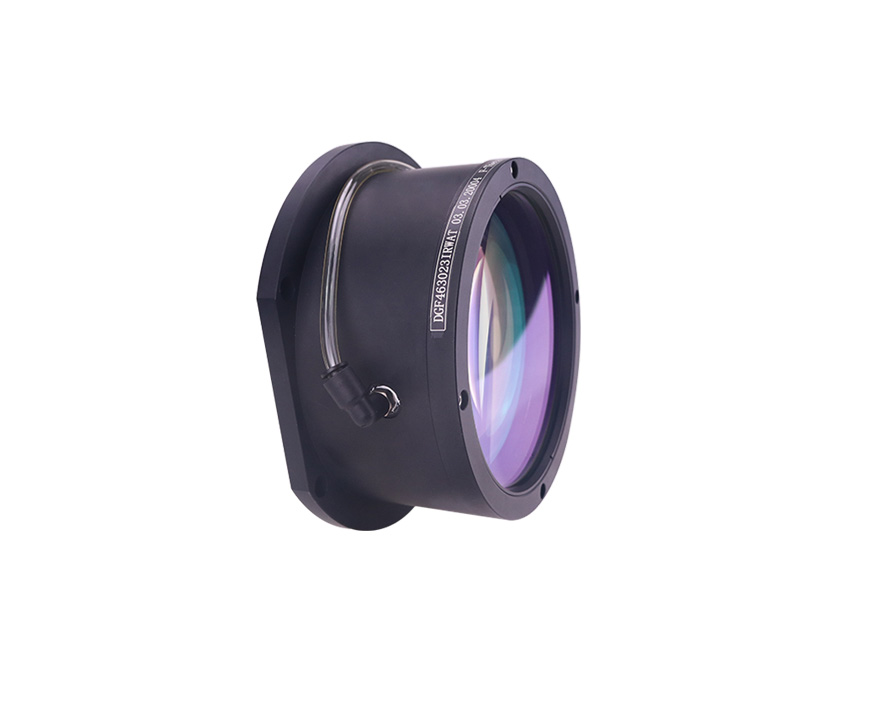
An F-Theta lens, also known as a scan lens or flat-field focusing lens, is a key optical component in laser scanning systems. Its unique design projects the laser beam onto a flat image plane, ensuring that the spot size remains consistent and sharply focused across the entire working field. This is different from a standard focusing lens, which produces a curved focal surface where only the center is in perfect focus. The “F-Theta” name comes from the geometric principle that the displacement on the image plane is proportional to the focal length (f) multiplied by the scan angle (θ). Thanks to this property, F-Theta lenses are essential whenever high precision and uniform quality are required.
Selecting an F-Theta lens depends on the size of the working field, the laser wavelength, and the optical performance required. A shorter focal length provides a smaller field with finer resolution, while longer focal lengths allow larger processing areas at the cost of slightly bigger spot sizes. Typical scan fields include 100 × 100 mm, 200 × 200 mm, and 300 × 300 mm. Matching the wavelength is equally important: 1064 nm for fiber lasers, 10.6 μm for CO₂ lasers, 355 nm for UV lasers, and 532 nm for green lasers. High-quality lenses also feature low distortion designs, anti-reflection coatings for maximum transmission, and a high damage threshold to withstand the intense energy of modern laser sources.
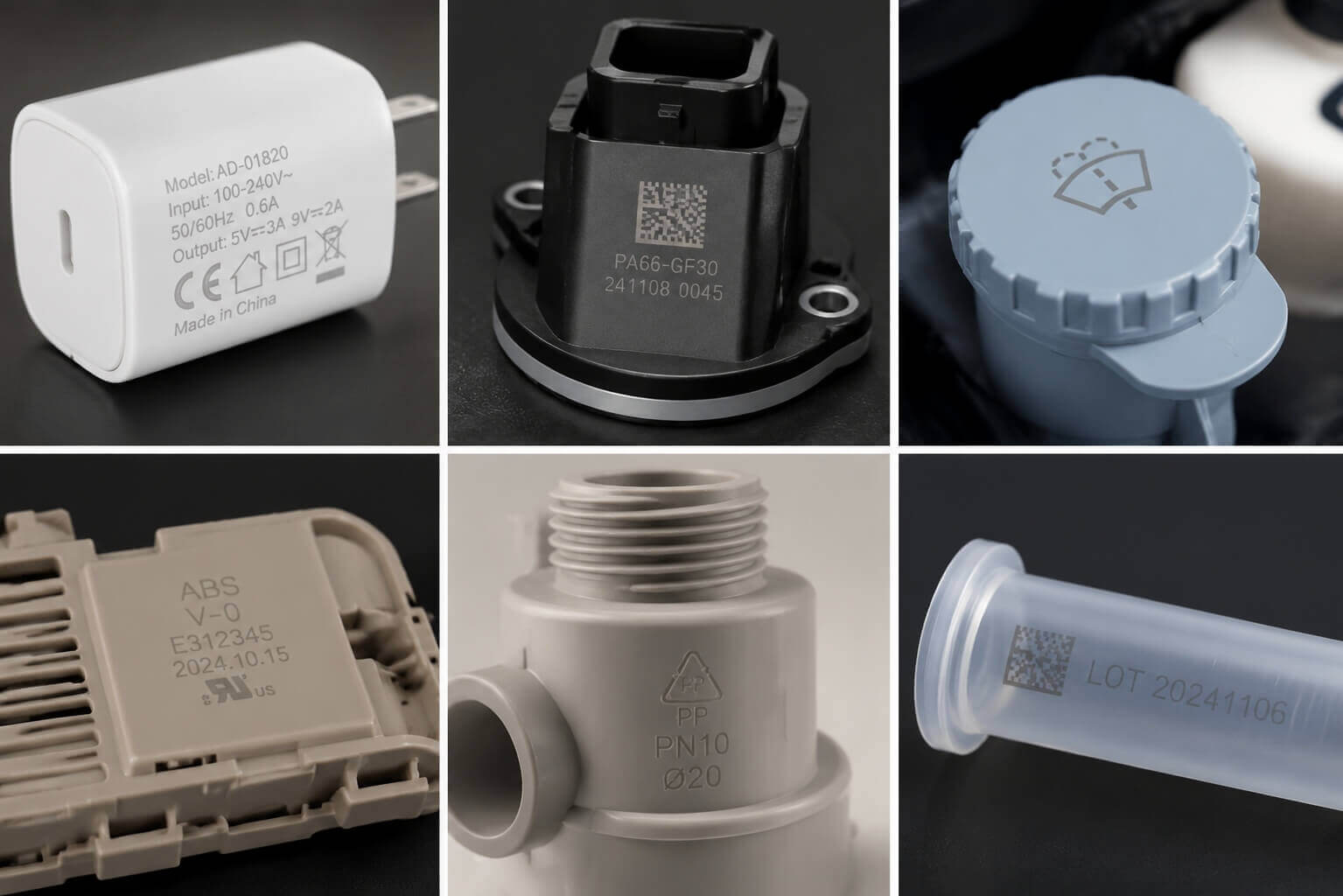
F-Theta lenses are widely used across industries because of their precision and reliability. In laser marking and engraving, they allow manufacturers to produce sharp, permanent codes, barcodes, and logos on metals, plastics, and electronic components. In cutting and drilling applications, such as thin films and PCBs, their ability to maintain focus ensures clean edges and minimal material waste. They are also essential in micromachining and fine laser welding system, where consistent spot size directly affects quality and repeatability. From automotive and aerospace to medical devices and packaging, F-Theta lenses play a vital role in enabling fast, accurate, and stable laser processing.
 zh-CN
zh-CN
 English
  日本語
日本語  한국어
한국어  français
  Deutsch
  Español
  italiano
  русский
  português
  tiếng việt