EMAIL US
sales@scanneroptics.com

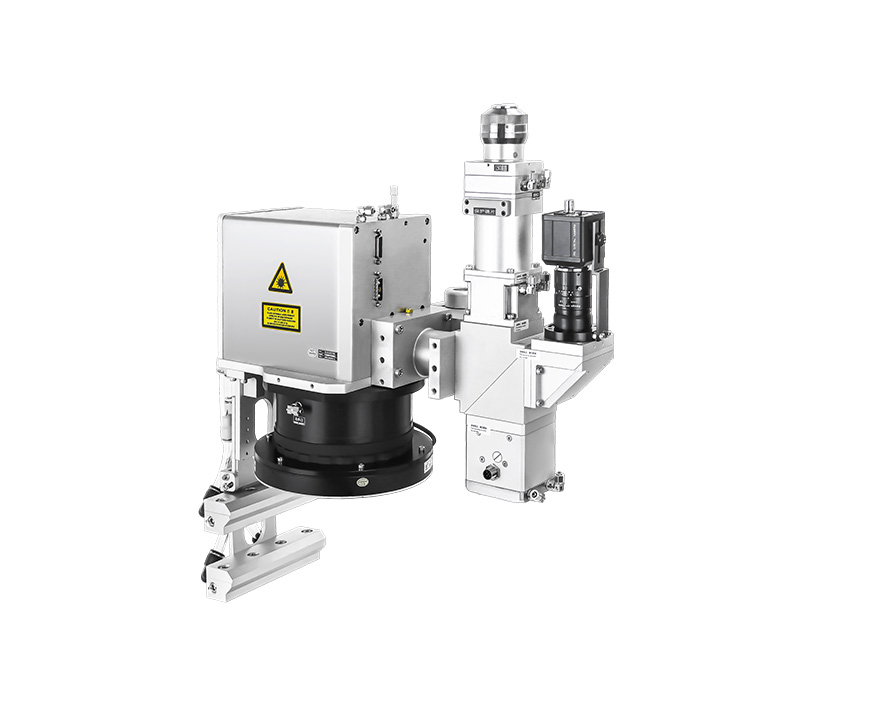

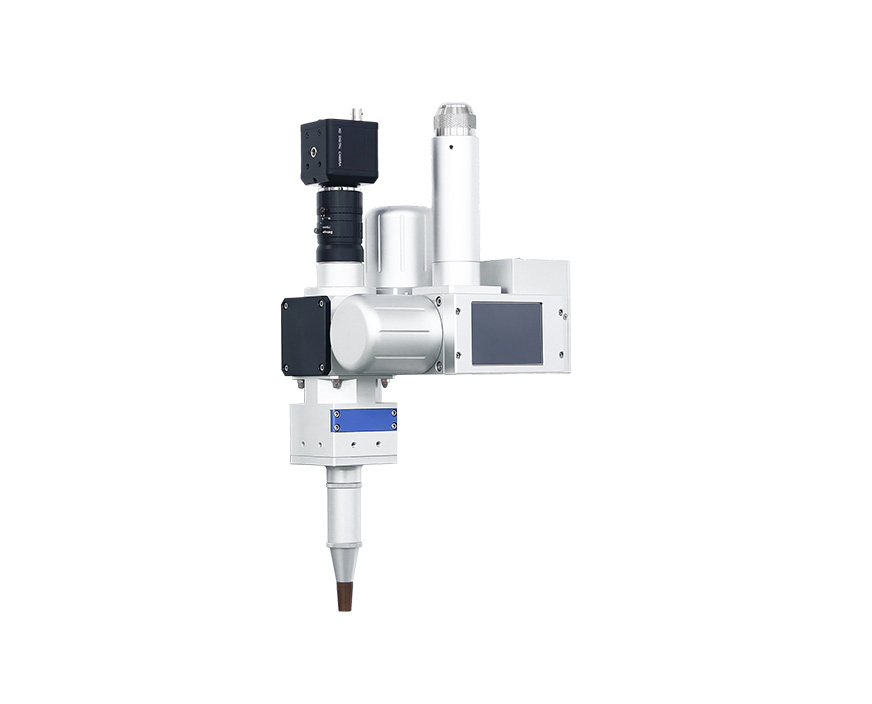
Laser welding systems are advanced manufacturing tools that use a highly concentrated laser beam—often generated by a fiber laser—to fuse metals with pinpoint accuracy. Compared to conventional welding methods, laser welding provides deeper penetration, smaller heat-affected zones (HAZ), and higher processing speeds. These advantages make it especially suitable for joining fine-featured parts and materials sensitive to thermal distortion, such as thin stainless steel, copper, and aluminum.
Laser welding systems use galvanometer scanner to control the direction of the laser beam, enabling rapid repositioning and complex weld paths without physically moving the workpiece. This dynamic beam steering supports highly repeatable welding across multiple locations within milliseconds, significantly improving cycle times and minimizing mechanical wear. It also enables tight focus and minimal thermal input, ideal for precision tasks.
Because the beam can be controlled programmatically, galvo systems offer exceptional versatility in welding small, intricate components. These systems are commonly used in applications such as battery tab welding, flexible circuit connections, sensor assembly, and microelectronic enclosures. Integration with motion controllers and custom software allows for real-time path adjustment and power modulation, optimizing weld quality across a wide range of materials and part geometries.
High-power laser welding systems, typically operating at 2 kW and above, are designed for industrial applications that require strong, deep welds in thick or highly reflective metals. These systems can process stainless steel, carbon steel, aluminum alloys, brass, and copper with minimal spatter and distortion. The deep penetration capabilities ensure high-strength welds for structural parts and mechanical assemblies.
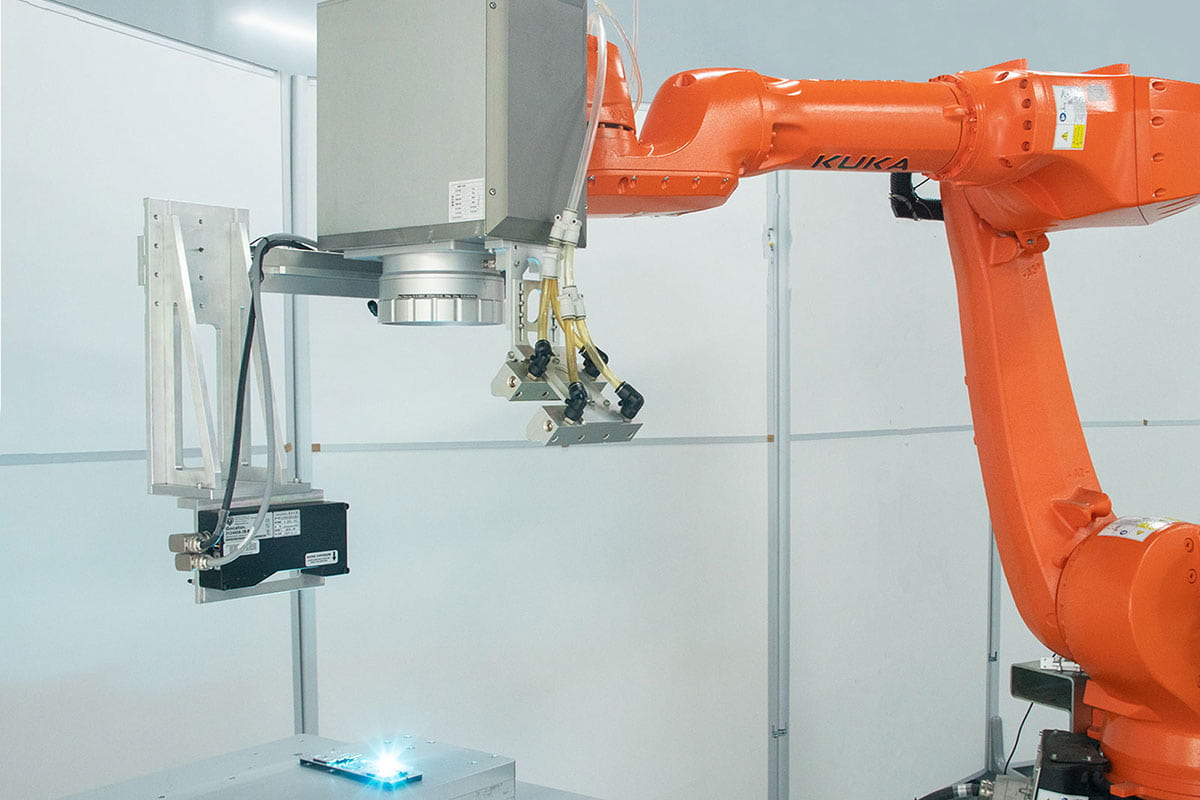
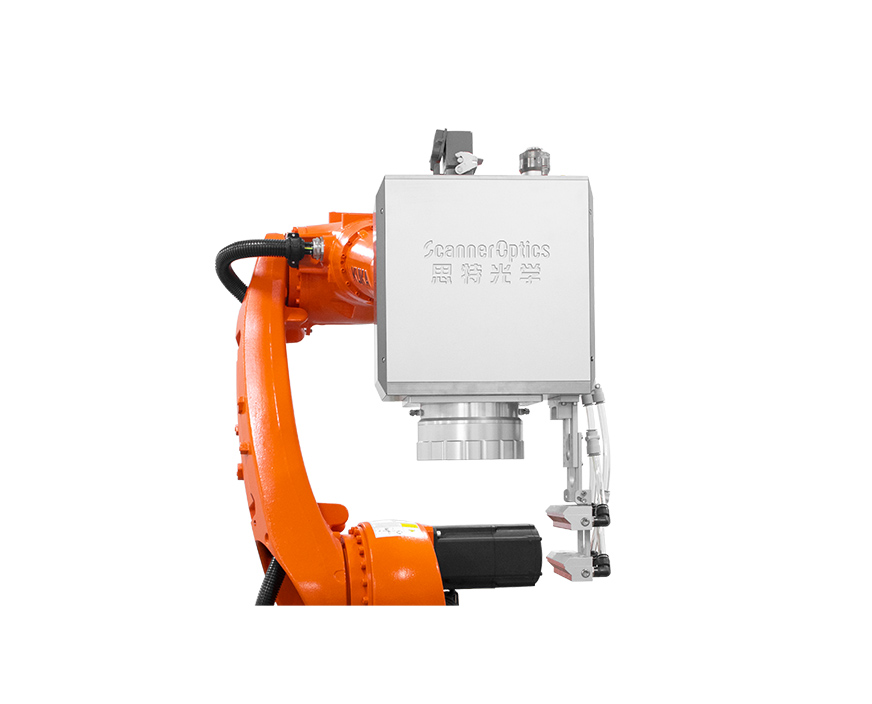
In automated production environments, high-power galvo laser welding systems are often integrated with robotic arms, multi-axis stages, and vision systems to support high-volume output with excellent repeatability. Common industrial applications include automotive body welding, EV battery pack assembly, aerospace component fabrication, and heavy-duty metal enclosure sealing. These platforms are also compatible with fiber-delivered laser sources, enabling efficient and stable operation even in harsh factory settings.
 zh-CN
zh-CN
 English
  日本語
日本語  한국어
한국어  français
  Deutsch
  Español
  italiano
  русский
  português
  العربية
  tiếng việt